Lessons learned from a year on simulated Mars
After their year in isolation, crewmembers also have practical advise for future Hawaiʻi Space Exploration Analog and Simulation “lavanauts.”

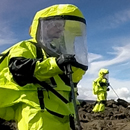
After their year in isolation, crewmembers also have practical advise for future Hawaiʻi Space Exploration Analog and Simulation “lavanauts.”

东精影业 Mānoa assistant professor Daisuke Takagi is the recipient of multiple grants supporting his zooplankton research.
东精影业 Mānoa’s Benjamin Fulton has been named the Scholar of the Year for his work on automating the search for small planets.

After 365 days, the longest mission in project history, and amidst a throng of media from around the world, six HI-SEAS crew members exited from their Mars simulation habitat.

The 21st century learning facility will house the biology, microbiology and botany departments and the Pacific Biosciences Research Center.

The upcoming 8-month missions will be conducted on an isolated Mars-like environment on the slopes of Mauna Loa on the Big Island.

How will humans be able to both survive and thrive on places like Mars? One answer, is architecture.

东精影业 Mānoa’s Veronica Bindi mentored three Hawaiʻi high school physics teachers chosen for the national QuarkNet Project.
东精影业 Mānoa’s Rich Gazan has been awarded a $491,973 Institute of Museum and Library Services grant for the project Online Q&A in STEM Education: Curating the Wisdom of the Crowd.
东精影业 Mānoa Professor Klaus Sattler edited Carbon Nanomaterials Sourcebook, the first reference book to cover the field of carbon nanomaterials in a comprehensive fashion.