Extrusive volcanism formed the Hawaiian Islands
A study by researchers at 东精影业 Mānoa School of Ocean and Earth Science and Technology and the University of Rhode Island changes the understanding of how the Hawaiian Islands formed.

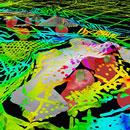
A study by researchers at 东精影业 Mānoa School of Ocean and Earth Science and Technology and the University of Rhode Island changes the understanding of how the Hawaiian Islands formed.

东精影业 Mānoa SOEST awarded grant by U.S. National Science Foundation aimed at mitigating volcanic disasters.

Islanders benefit from new high-resolution wave forecasts offered by the Pacific Islands Ocean Observing System.

A study done by 东精影业 Mānoa School of Ocean and Earth Science and Technology researchers find sea-level rise is a primary factor driving shoreline changes in Hawaiʻi.

东精影业 Mānoa’s Carl Meyer and University of Florida’s Yannis Papastamatiou track tiger shark movements from Northwestern to main Hawaiian Islands.

东精影业 Mānoa’s School of Ocean and Earth Science and Technology researchers find that mercury accumulation in ocean fish takes place at deeper depths.
东精影业 Mānoa Department of Oceanography researcher’s new model for analyzing fish movement reduces the uncertainties of underwater location tracking.

Future warming from fossil fuel burning could be more intense and longer-lasting than previously thought says 东精影业 Mānoa oceanographer Richard Zeebe.

Large, commercially harvested fish consume a surprising amount of debris, say 东精影业 惭ā苍辞补 scientists Anela Choy and Jeffrey Drazen.

PBS’ Digital Studios series, UnderH20, features the Hawaiʻi Institute of Marine Biology’s research with live corals viewed with a laser scanning confocal microscope.